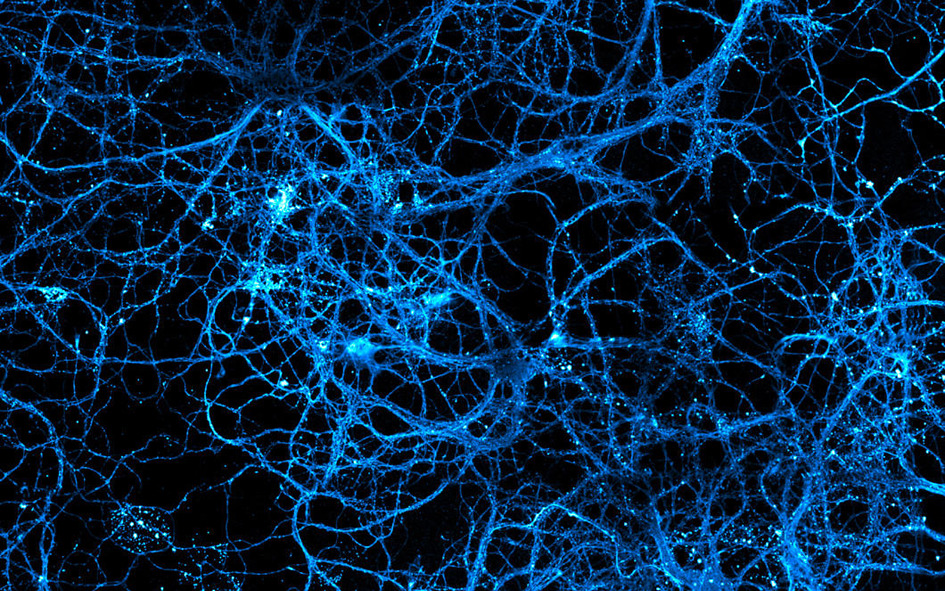
Multiplex imaging
makes it possible to observe a large number of biomarkers simultaneously and to identify the diversity of cell populations and their interactions within a sample. Immunofluorescence imaging offers high spatial resolution over large regions, but is traditionally limited to a few biomarkers that can be observed simultaneously. The new so-called multiplex approaches make it possible to carry out several dozen markings on a single section of biological sample with the spatial resolution of conventional immunofluorescence. These approaches require real expertise in the design of the labelling protocol and image acquisition. The TSA-OPAL and CODEX/Phenocycler methods are based on fluorescent immunolabelling techniques using several cycles of labelling and/or observation, and are available on the MicroPICell platform. Cell Dive is available on H2P2. The 2 platforms have advanced automatic marking machines. Acquisition of new equipment is underway on PIA4 and will be availalble early in 2026.
 Marcio Marim • November 12, 2025